
Rome, NY
Drainage And Septic Services in Rome, NY
Water is the quietest threat a property faces. It rarely announces itself until a basement turns damp, a yard holds standing pools after every storm, or a septic system backs up into the house at the worst possible moment. Drainage and septic systems do the unglamorous work of moving water and waste away from a home before either can cause harm, and when they fall behind, the trouble tends to arrive as foundation cracks, saturated soil, and repairs far larger than the original fix would have been. Getting this buried infrastructure right protects nearly everything built above it.
Rome sits in Oneida County in central New York, spread across the Mohawk Valley along the Mohawk River and the historic Erie Canal corridor. It is a city of established neighborhoods, working farmland, and wooded acreage reaching toward the Adirondack foothills, built on soils that range from heavy clay to sandy loam with groundwater levels that shift from one lot to the next. Long, cold winters push frost deep into the ground while spring runoff and summer storms test how well a site sheds water. Those conditions put real, year-round pressure on how local property manages drainage and waste.
Property owners across the area call The EarthWorks Group, a trusted provider of drainage and septic services in Rome, NY that is family-owned and rooted in the region. We diagnose water-flow problems, design and install drainage systems, correct grading, and build, repair, and maintain septic systems to meet Oneida County and New York State standards. With 40 years of construction and land management experience behind the crew, the work opens with a site visit and a clear scope, so property owners understand what the ground actually needs before any excavation begins.
About Rome, NY
Rome anchors the Mohawk Valley in Oneida County, central New York, set along the Mohawk River where the historic Erie Canal once shaped the city's growth. Home to roughly 32,000 residents, it spreads across a wide geographic area that blends established residential neighborhoods with industrial sites, working farmland, and wooded acreage reaching north toward the Adirondack foothills.
That canal heritage still influences how older parts of the city are laid out and drained, and the surrounding landscape carries a real mix of soils. Heavy clay in some areas, sandy loam in others, and groundwater levels that vary widely mean no two sites handle water the same way, which shapes how properties here are built and maintained.
Winters are long and cold, with frost reaching depths near 48 inches, while spring runoff and humid summer storms move large volumes of water through the area. Those seasonal swings define the working calendar for any outdoor project and keep sound water management a steady priority for homeowners, farms, and commercial owners alike.
What Local Soil and Frost Conditions Demand of Drainage and Septic Systems in Rome, NY
The ground itself drives much of the drainage and septic work here. Clay-heavy soils shed water slowly and hold it against foundations, while sandy loam drains fast but percolates unevenly, and both realities decide how a drainage system or a septic field has to be designed. A solution that performs on one Rome lot can fail two streets over.
Frost depth adds another layer. With the freeze line reaching close to 48 inches, drainage lines, discharge points, and septic components must sit below it or risk heaving, cracking, and seasonal failure. Installations that ignore local frost requirements are the ones that back up or break during the first hard winter after they go in.
Regulation shapes the rest. Septic systems in the area answer to Oneida County health department standards, with sizing matched to household use and soil percolation rates. Getting drainage and septic infrastructure approved, sized, and installed correctly is what keeps groundwater clean and prevents the costly failures that undersized or unpermitted work quietly invites.
How a Drainage and Septic Project Is Planned and Built to Last
Sound drainage and septic work begins with diagnosis, not digging. Walking the site, reading how water actually moves across it, and testing the soil is what turns guesswork into a system sized to the property. A drainage plan that accounts for topography, discharge points, and volume prevents the standing water and backups that a rushed installation leaves behind.
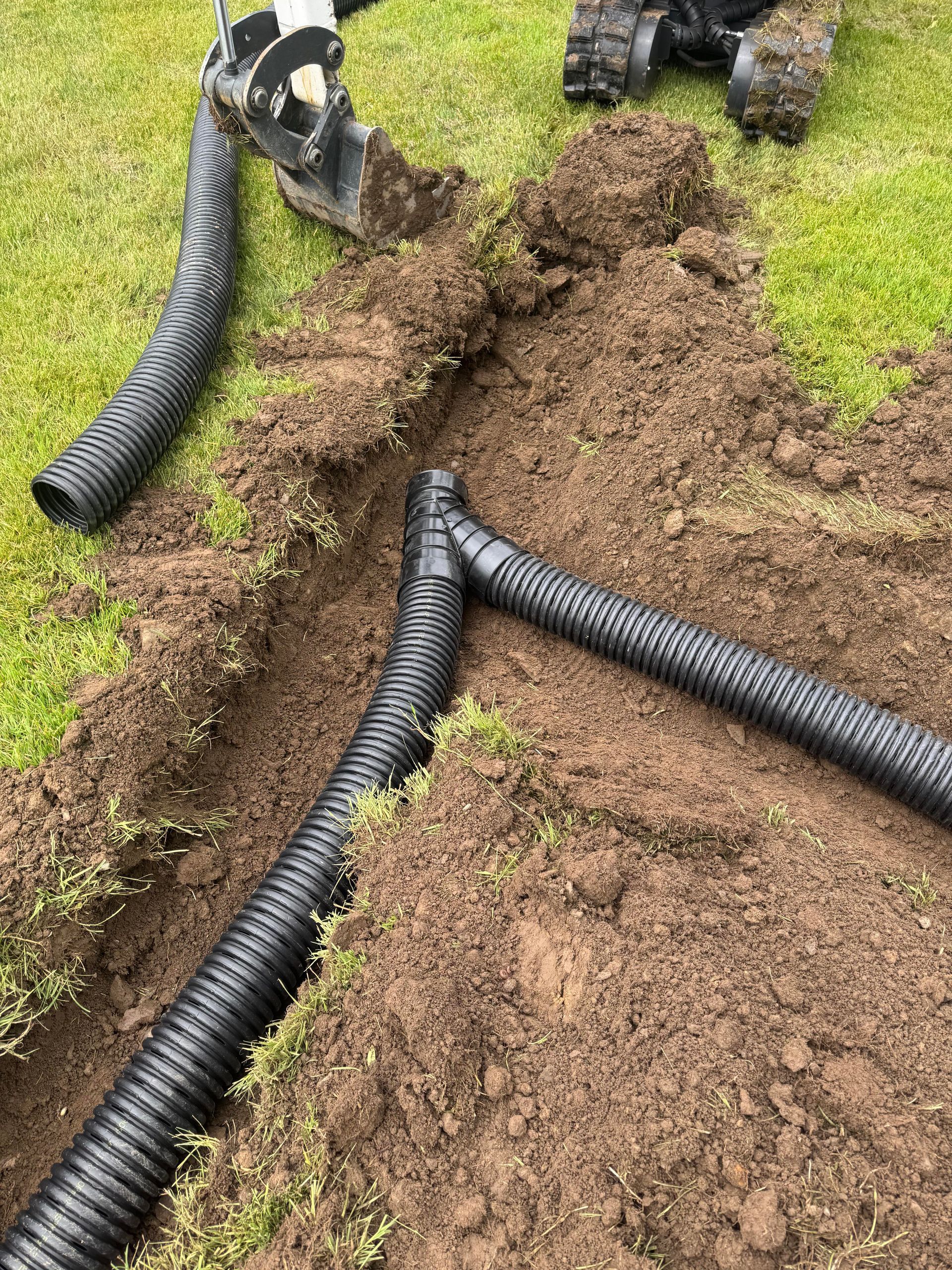
Design follows the findings. Properly sized pipe, adequate slope, French drains or swales placed where they belong, and septic components matched to household load and percolation rates all get specified before a shovel moves. Meeting Oneida County permitting and inspection requirements is built into the plan rather than treated as an afterthought once work is already underway.
Execution is where the details decide durability. Excavation to the right depth, sound base preparation, careful backfill, and proper surface restoration each earn their own attention, because shortcuts at any stage tend to surface within the first year. Done properly, a drainage or septic system quietly does its job for decades instead of demanding emergency repairs.
Why Rome, NY Residents Trust The EarthWorks Group
Few trades reward local knowledge like this one, and The EarthWorks Group brings 40 years of experienced construction and land management to Rome, NY. As a family-owned operation, the crew treats each client's property as its own, and four decades of working these soils and seasons shows in drainage and septic work that performs reliably long after backfill.
Regional familiarity is the difference between a system that lasts and one that fails. The team knows the clay and loam, the 48-inch frost line, and the Oneida County code requirements that govern how drainage and septic systems get built here, and it plans around those realities rather than applying generic methods that fail come winter.
Communication holds it together. The EarthWorks Group is licensed, insured, and bonded, and it gives clients detailed estimates upfront, clear updates as work moves, and direct access to crew leadership when questions come up. That honesty, paired with decades of regional experience, keeps property owners recommending the company to their neighbors.
Hire Us! Dependable Drainage and Septic Services in Rome, NY
Water problems only grow more expensive the longer they wait, and the time to address drainage or septic trouble is before the next storm or backup. The EarthWorks Group makes the start straightforward for Rome, NY property owners with a dependable site visit that lays out what the work involves and what timeline to expect before any commitment.
The crew recommends the approach that fits the property rather than the largest scope, whether the job is correcting chronic drainage, installing a French drain, replacing a failing septic system, or grading a site to shed water correctly. An honest assessment matters more than a bigger invoice and protects the property long term.
There is no reason to keep managing standing water, soggy ground, or a septic system living on borrowed time. Reach out today to schedule a site visit and learn how the team can resolve the drainage and septic issues a property has been putting off. Inquiries get a prompt response and a visit at a convenient time.
Clients testimonials
1. What are the early signs a property needs drainage work?
Standing water hours after rain, a persistently damp basement, soil that stays soggy near the foundation, and mulch or gravel that washes out all point to drainage that is not moving water away from the structure the way it should.
2. How does a French drain actually solve a wet-yard problem?
A French drain is a sloped, gravel-packed trench with perforated pipe that collects groundwater and routes it to a safe discharge point. It intercepts water before it reaches a foundation or low spot, giving saturated ground a reliable path to drain.
3. What determines the right size for a septic system?
Septic sizing depends on household occupancy, expected daily flow, and the soil's percolation rate. A system too small for the load fails early, so proper testing and design match the tank and drain-field capacity to how the property is actually used.
4. Why does soil percolation testing matter before septic installation?
Percolation testing measures how quickly soil absorbs water, which decides whether a site can support a standard drain field or needs an engineered alternative. Skipping it risks installing a system the ground cannot handle, leading to backups and contamination.
5. How does frost depth affect drainage and septic work here?
With the local freeze line reaching near 48 inches, drainage lines and septic components must be set below it. Anything installed too shallow is exposed to heaving and cracking, which is why frost depth guides excavation depth on every winter-prone site.
6. What happens when a septic system starts to fail?
Failing systems show slow drains, odors, wet spots over the drain field, or sewage backing into the home. Caught early, some problems still allow repair, but neglected failures often force full replacement and can contaminate nearby groundwater in the process.
7. Can grading alone fix a drainage problem?
Sometimes. Re-grading to slope ground away from a structure solves many surface-water issues, but sites with heavy clay, high groundwater, or concentrated runoff usually need grading combined with drains or swales to move the water reliably away.
8. How can I protect a foundation from water damage long term?
Keep water moving away with proper grading, functioning gutters and discharge lines, and drains sized for the site's runoff. Addressing pooling and saturated soil early prevents the foundation cracks and basement moisture that neglected drainage eventually produces.
1. What are the early signs a property needs drainage work?
Standing water hours after rain, a persistently damp basement, soil that stays soggy near the foundation, and mulch or gravel that washes out all point to drainage that is not moving water away from the structure the way it should.
2. How does a French drain actually solve a wet-yard problem?
A French drain is a sloped, gravel-packed trench with perforated pipe that collects groundwater and routes it to a safe discharge point. It intercepts water before it reaches a foundation or low spot, giving saturated ground a reliable path to drain.
3. What determines the right size for a septic system?
Septic sizing depends on household occupancy, expected daily flow, and the soil's percolation rate. A system too small for the load fails early, so proper testing and design match the tank and drain-field capacity to how the property is actually used.
4. Why does soil percolation testing matter before septic installation?
Percolation testing measures how quickly soil absorbs water, which decides whether a site can support a standard drain field or needs an engineered alternative. Skipping it risks installing a system the ground cannot handle, leading to backups and contamination.
5. How does frost depth affect drainage and septic work here?
With the local freeze line reaching near 48 inches, drainage lines and septic components must be set below it. Anything installed too shallow is exposed to heaving and cracking, which is why frost depth guides excavation depth on every winter-prone site.
6. What happens when a septic system starts to fail?
Failing systems show slow drains, odors, wet spots over the drain field, or sewage backing into the home. Caught early, some problems still allow repair, but neglected failures often force full replacement and can contaminate nearby groundwater in the process.
7. Can grading alone fix a drainage problem?
Sometimes. Re-grading to slope ground away from a structure solves many surface-water issues, but sites with heavy clay, high groundwater, or concentrated runoff usually need grading combined with drains or swales to move the water reliably away.
8. How can I protect a foundation from water damage long term?
Keep water moving away with proper grading, functioning gutters and discharge lines, and drains sized for the site's runoff. Addressing pooling and saturated soil early prevents the foundation cracks and basement moisture that neglected drainage eventually produces.
After checking for positive client testimonials, I contacted Earthworks to look at my collapsed barn. The estimate went very well, and Griffin’s professional team was courteous and attentive. The demolition went quickly and clean up was done better than I had expected. If you need a great excavating company contact Earhworks! Jim Shamis
James S.
Griffin was very professional and knowledgeable on how to solve my iced over driveway. He took extra time to describe how he was going to grade the slope and install a gabion drainage system. Griffin went up and beyond to make sure everything that we had discussed was completed before leaving.
I would highly recommend him and his company for any landscaping needs.
Debra K.
Griffin and his crew were great to work with they were very professional and courteous Griffin explained everything thing he did and took all the dabree
I will call them again for another job Thanks Again
Billy M.
Frequently Asked Questions
1. What are the early signs a property needs drainage work?
Standing water hours after rain, a persistently damp basement, soil that stays soggy near the foundation, and mulch or gravel that washes out all point to drainage that is not moving water away from the structure the way it should.
2. How does a French drain actually solve a wet-yard problem?
A French drain is a sloped, gravel-packed trench with perforated pipe that collects groundwater and routes it to a safe discharge point. It intercepts water before it reaches a foundation or low spot, giving saturated ground a reliable path to drain.
3. What determines the right size for a septic system?
Septic sizing depends on household occupancy, expected daily flow, and the soil's percolation rate. A system too small for the load fails early, so proper testing and design match the tank and drain-field capacity to how the property is actually used.
4. Why does soil percolation testing matter before septic installation?
Percolation testing measures how quickly soil absorbs water, which decides whether a site can support a standard drain field or needs an engineered alternative. Skipping it risks installing a system the ground cannot handle, leading to backups and contamination.
5. How does frost depth affect drainage and septic work here?
With the local freeze line reaching near 48 inches, drainage lines and septic components must be set below it. Anything installed too shallow is exposed to heaving and cracking, which is why frost depth guides excavation depth on every winter-prone site.
6. What happens when a septic system starts to fail?
Failing systems show slow drains, odors, wet spots over the drain field, or sewage backing into the home. Caught early, some problems still allow repair, but neglected failures often force full replacement and can contaminate nearby groundwater in the process.
7. Can grading alone fix a drainage problem?
Sometimes. Re-grading to slope ground away from a structure solves many surface-water issues, but sites with heavy clay, high groundwater, or concentrated runoff usually need grading combined with drains or swales to move the water reliably away.
8. How can I protect a foundation from water damage long term?
Keep water moving away with proper grading, functioning gutters and discharge lines, and drains sized for the site's runoff. Addressing pooling and saturated soil early prevents the foundation cracks and basement moisture that neglected drainage eventually produces.
1. What are the early signs a property needs drainage work?
Standing water hours after rain, a persistently damp basement, soil that stays soggy near the foundation, and mulch or gravel that washes out all point to drainage that is not moving water away from the structure the way it should.
2. How does a French drain actually solve a wet-yard problem?
A French drain is a sloped, gravel-packed trench with perforated pipe that collects groundwater and routes it to a safe discharge point. It intercepts water before it reaches a foundation or low spot, giving saturated ground a reliable path to drain.
3. What determines the right size for a septic system?
Septic sizing depends on household occupancy, expected daily flow, and the soil's percolation rate. A system too small for the load fails early, so proper testing and design match the tank and drain-field capacity to how the property is actually used.
4. Why does soil percolation testing matter before septic installation?
Percolation testing measures how quickly soil absorbs water, which decides whether a site can support a standard drain field or needs an engineered alternative. Skipping it risks installing a system the ground cannot handle, leading to backups and contamination.
5. How does frost depth affect drainage and septic work here?
With the local freeze line reaching near 48 inches, drainage lines and septic components must be set below it. Anything installed too shallow is exposed to heaving and cracking, which is why frost depth guides excavation depth on every winter-prone site.
6. What happens when a septic system starts to fail?
Failing systems show slow drains, odors, wet spots over the drain field, or sewage backing into the home. Caught early, some problems still allow repair, but neglected failures often force full replacement and can contaminate nearby groundwater in the process.
7. Can grading alone fix a drainage problem?
Sometimes. Re-grading to slope ground away from a structure solves many surface-water issues, but sites with heavy clay, high groundwater, or concentrated runoff usually need grading combined with drains or swales to move the water reliably away.
8. How can I protect a foundation from water damage long term?
Keep water moving away with proper grading, functioning gutters and discharge lines, and drains sized for the site's runoff. Addressing pooling and saturated soil early prevents the foundation cracks and basement moisture that neglected drainage eventually produces.