
Rome, NY
Property Maintenance and Construction in Rome, NY
Property ownership in Upstate New York carries demands that test even well-built sites. Freeze-thaw cycles work foundations and paved surfaces. Heavy spring runoff exposes drainage weaknesses. Winter storms drop snow and ice loads that strain everything from rooflines to gravel driveways. For Rome, NY, property owners, keeping a site functional and protected over the long term requires both routine maintenance and the construction work that addresses problems before they cascade into larger failures.
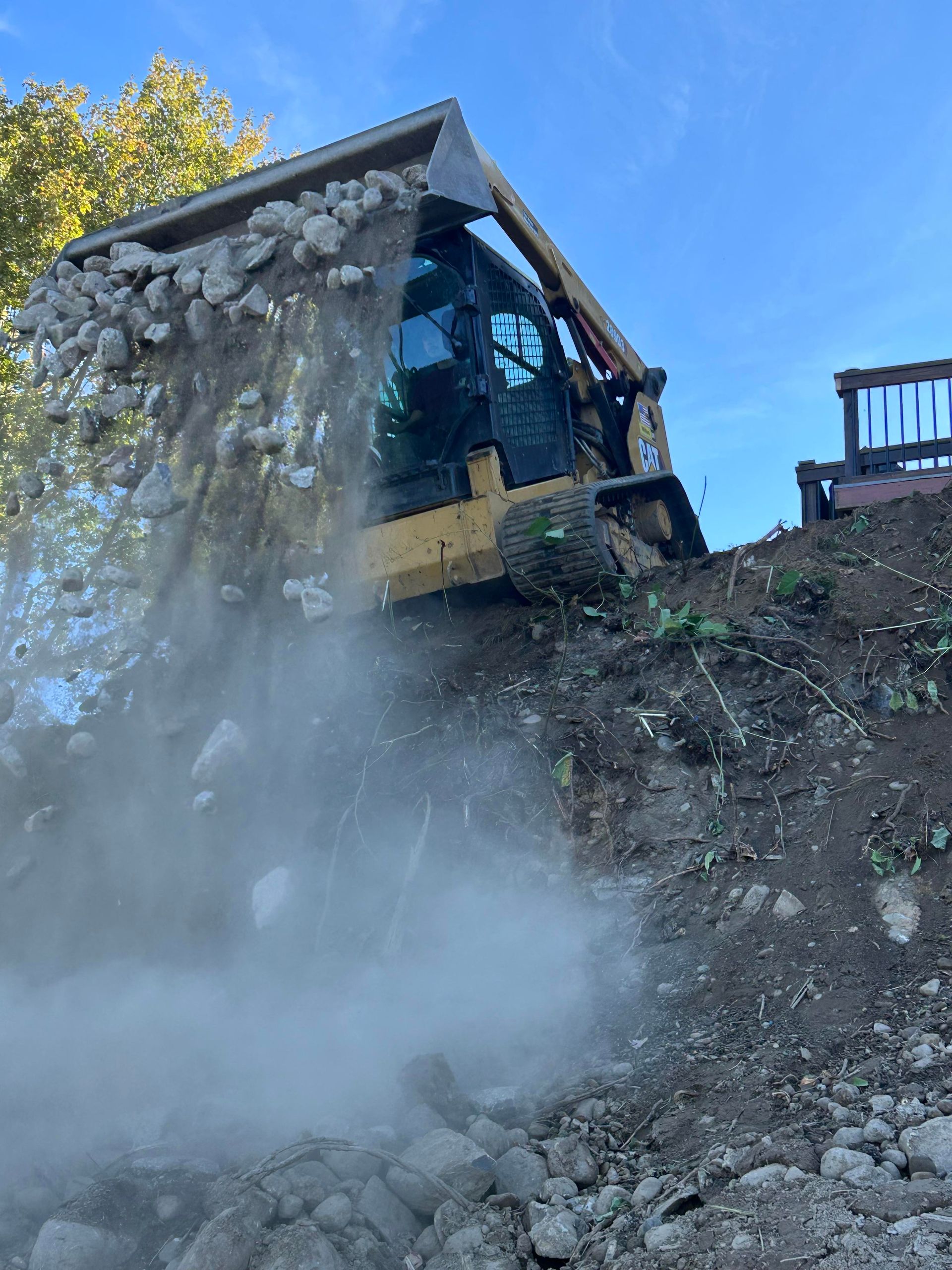
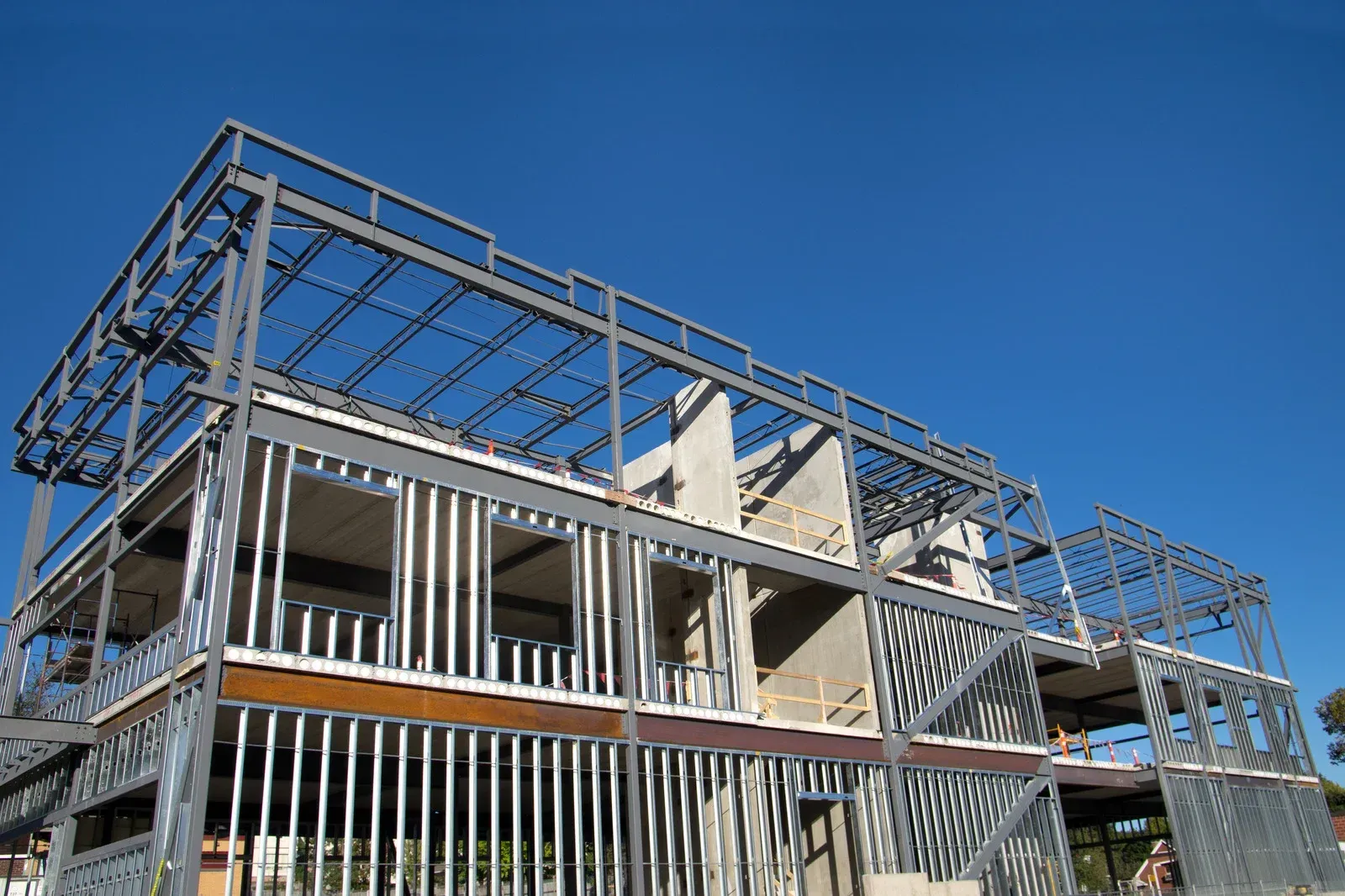
At The EarthWorks Group, we handle property maintenance and construction projects across Rome, NY, covering excavation, grading, drainage and septic systems, concrete and driveway installations, structural repair, and seasonal site upkeep. The work serves residential homeowners, commercial property managers, and agricultural operations that need reliable contractors capable of handling both planned projects and the unexpected issues that surface as properties age across the changing seasons. Knowing when to invest in preventive work versus reactive repair makes a meaningful difference in long-term cost and property condition across years of ownership.
Doing this work well in the Mohawk Valley requires understanding the local soil conditions, frost depth requirements, drainage patterns, and building code expectations specific to Oneida County. The combination of clay soils in some areas, sandy loam in others, and varying groundwater levels means a one-size approach to grading and drainage fails. Rome, NY, properties benefit from contractors who plan for the regional conditions rather than apply generic methods that prove inadequate when winter arrives. We adapt our methods to the regional conditions and the specific site, never the other way around. That commitment to regional knowledge protects properties through every season and reduces the long-term cost of ownership across the years of use.
About Rome
Rome sits in Oneida County in central New York, anchoring the Mohawk Valley along the Mohawk River and the historic Erie Canal corridor. The city of roughly 32,000 residents covers significant geographic area, blending established residential neighborhoods with industrial sites, agricultural land, and the wooded acreage extending toward the Adirondack foothills to the north of the city limits. The historic Erie Canal heritage shapes parts of the city's geography and infrastructure, with the canal corridor running through the area and influencing how older neighborhoods developed.
The climate brings cold snowy winters with frost depths reaching 48 inches and warm humid summers across central New York. These conditions shape everything about how outdoor construction and maintenance work happens locally. Excavation depths, drainage planning, and seasonal scheduling all account for the freeze-thaw cycle that defines property care across the Oneida County region throughout each year. Spring runoff, summer storms, and winter freeze patterns all influence our work calendar. Local knowledge shapes how we approach each project across the year.
Property Maintenance and Construction Realities for Properties in Rome, NY
Drainage problems cause more long-term property damage than nearly any other site issue. Standing water near foundations leads to basement leaks, frost heaving, and eventual structural problems. Properly graded sites direct water away from buildings, into swales or French drains, and out to appropriate discharge points away from the structures requiring protection.
Driveway and parking surface maintenance requires regular attention in the Upstate New York climate. Freeze-thaw cycles crack concrete and asphalt, snow plowing wears edges, and salt accelerates surface deterioration. Replacement projects benefit from proper base preparation and adequate drainage to extend the lifespan of new surfaces beyond what undersized installations can achieve in the long run.
Septic system maintenance and replacement involves regulatory requirements specific to New York State and Oneida County health department standards. System sizing must match household occupancy and soil percolation rates. Proper installation prevents the failures that contaminate groundwater, damage drain fields, and result in expensive emergency repairs when systems back up unexpectedly into the home plumbing.
How Maintenance and Construction Work Comes Together in Rome, NY
Most projects begin with a site visit where we walk the property, identify the issues at hand, and discuss the goals for the work. Drainage problems often connect to grading issues, which connect to driveway condition, which connects to foundation moisture concerns. Understanding the full picture helps prioritize work and avoid the trap of fixing symptoms while the underlying issue persists.
Scheduling matters in central New York. Excavation and concrete work happens primarily between April and November when ground conditions allow proper compaction and curing. Drainage installations benefit from being done before the wet seasons that test new systems. Septic work follows health department permitting timelines that affect when work can actually start once approvals come through.
The work itself follows established sequences. Site preparation comes first, then excavation if needed, then the new installation, then backfill and surface restoration. Quality contractors take time at each stage rather than rushing because shortcuts at excavation depth, base compaction, or drainage slope create the problems that surface within the first year of use after completion.
Why Rome, NY Residents Trust The EarthWorks Group
At The EarthWorks Group, we bring 40 years of construction and land management experience to Rome, NY, properties. As a family-owned operation, we treat client properties with the same care we would give our own. Our crew understands the soil conditions, drainage challenges, and code requirements specific to Oneida County, which translates to work that performs reliably across the seasons. The local experience accumulated over four decades shapes how we approach planning, scheduling, and execution on every project we take on across the area.
We carry full licensing, insurance, and bonding, and we offer discounts for seniors, military members, and veterans across our service area. Transparent pricing means clients receive detailed estimates upfront with no surprise charges appearing later. Communication continues throughout each project, with clear updates as work progresses and direct access to the crew leadership when questions arise about scheduling, sequencing, or scope changes. Clients consistently describe our communication as clear and our work as reliable.
Hire Us! Top Property Maintenance and Construction in Rome, NY
At The EarthWorks Group, we make the project start straightforward for Rome, NY, property owners. The initial site visit gives clients a clear picture of what the work involves, what it will cost, and what timeline to expect before any commitment is made. We discuss options openly and recommend the approach that matches the property's needs rather than the largest possible scope of work. The honest assessment matters more than the bigger invoice over the long term for properties we serve in the community.
Our services cover Oneida County, with Rome among the communities where we work regularly. Whether the project involves drainage correction, driveway replacement, septic installation, or routine property maintenance, we approach the work with the same care and craftsmanship. Reach out today to schedule a site visit and learn how our team can address the construction and maintenance needs your property has been waiting to resolve. We respond to inquiries promptly and schedule visits at convenient times.
Clients testimonials
1. Do you offer free site evaluations for new projects?
Yes, we provide no-obligation site visits and estimates for most projects. Our crew assesses the property conditions, discusses your goals, and provides a clear scope and pricing based on what the work actually requires rather than ballpark numbers.
2. How long does a typical drainage project take?
Drainage projects vary based on scope, but most residential installations complete within one to three days. Larger commercial projects or complex septic installations may take longer based on excavation depth, components, and permitting timelines from the county.
3. Do you handle both residential and commercial properties?
Yes, we work with homeowners, commercial property managers, and agricultural operations across our service area. The fundamental work of grading, drainage, excavation, and site preparation applies across property types, with adjustments for scale and specific use requirements involved.
4. What time of year is best for excavation work?
Most excavation and concrete work happens between April and November when ground conditions allow proper compaction and concrete curing. Emergency repairs can sometimes be addressed in winter months, but planned projects benefit from the warmer season scheduling for best long-term results.
5. Are permits required for septic system installation?
Yes, septic systems require permits from the Oneida County health department, including soil testing, design approval, and inspection during installation. We handle the permitting process as part of the project and coordinate inspections to keep the work moving forward.
6. How do you prevent drainage issues from coming back?
Proper drainage design accounts for site topography, soil conditions, and the volume of water the system must handle. We use sized pipe, adequate slope, and appropriate discharge points to ensure water moves where it should rather than backing up or eroding the surrounding ground areas.
7. Can you repair an existing driveway or does it need full replacement?
Some driveways benefit from patching, sealing, or partial replacement while others have reached the point where full replacement makes more sense. The site visit determines which approach fits the condition of the existing surface and the long-term goals for the property.
8. Do you provide ongoing maintenance services?
Yes, we handle seasonal property upkeep, repair work as needs arise, and scheduled maintenance for commercial properties that need regular attention. The maintenance relationship lets us address small issues before they become larger problems requiring more extensive work.
1. Do you offer free site evaluations for new projects?
Yes, we provide no-obligation site visits and estimates for most projects. Our crew assesses the property conditions, discusses your goals, and provides a clear scope and pricing based on what the work actually requires rather than ballpark numbers.
2. How long does a typical drainage project take?
Drainage projects vary based on scope, but most residential installations complete within one to three days. Larger commercial projects or complex septic installations may take longer based on excavation depth, components, and permitting timelines from the county.
3. Do you handle both residential and commercial properties?
Yes, we work with homeowners, commercial property managers, and agricultural operations across our service area. The fundamental work of grading, drainage, excavation, and site preparation applies across property types, with adjustments for scale and specific use requirements involved.
4. What time of year is best for excavation work?
Most excavation and concrete work happens between April and November when ground conditions allow proper compaction and concrete curing. Emergency repairs can sometimes be addressed in winter months, but planned projects benefit from the warmer season scheduling for best long-term results.
5. Are permits required for septic system installation?
Yes, septic systems require permits from the Oneida County health department, including soil testing, design approval, and inspection during installation. We handle the permitting process as part of the project and coordinate inspections to keep the work moving forward.
6. How do you prevent drainage issues from coming back?
Proper drainage design accounts for site topography, soil conditions, and the volume of water the system must handle. We use sized pipe, adequate slope, and appropriate discharge points to ensure water moves where it should rather than backing up or eroding the surrounding ground areas.
7. Can you repair an existing driveway or does it need full replacement?
Some driveways benefit from patching, sealing, or partial replacement while others have reached the point where full replacement makes more sense. The site visit determines which approach fits the condition of the existing surface and the long-term goals for the property.
8. Do you provide ongoing maintenance services?
Yes, we handle seasonal property upkeep, repair work as needs arise, and scheduled maintenance for commercial properties that need regular attention. The maintenance relationship lets us address small issues before they become larger problems requiring more extensive work.
After checking for positive client testimonials, I contacted Earthworks to look at my collapsed barn. The estimate went very well, and Griffin’s professional team was courteous and attentive. The demolition went quickly and clean up was done better than I had expected. If you need a great excavating company contact Earhworks! Jim Shamis
James S.
Griffin was very professional and knowledgeable on how to solve my iced over driveway. He took extra time to describe how he was going to grade the slope and install a gabion drainage system. Griffin went up and beyond to make sure everything that we had discussed was completed before leaving.
I would highly recommend him and his company for any landscaping needs.
Debra K.
Griffin and his crew were great to work with they were very professional and courteous Griffin explained everything thing he did and took all the dabree
I will call them again for another job Thanks Again
Billy M.
Frequently Asked Questions
1. Do you offer free site evaluations for new projects?
Yes, we provide no-obligation site visits and estimates for most projects. Our crew assesses the property conditions, discusses your goals, and provides a clear scope and pricing based on what the work actually requires rather than ballpark numbers.
2. How long does a typical drainage project take?
Drainage projects vary based on scope, but most residential installations complete within one to three days. Larger commercial projects or complex septic installations may take longer based on excavation depth, components, and permitting timelines from the county.
3. Do you handle both residential and commercial properties?
Yes, we work with homeowners, commercial property managers, and agricultural operations across our service area. The fundamental work of grading, drainage, excavation, and site preparation applies across property types, with adjustments for scale and specific use requirements involved.
4. What time of year is best for excavation work?
Most excavation and concrete work happens between April and November when ground conditions allow proper compaction and concrete curing. Emergency repairs can sometimes be addressed in winter months, but planned projects benefit from the warmer season scheduling for best long-term results.
5. Are permits required for septic system installation?
Yes, septic systems require permits from the Oneida County health department, including soil testing, design approval, and inspection during installation. We handle the permitting process as part of the project and coordinate inspections to keep the work moving forward.
6. How do you prevent drainage issues from coming back?
Proper drainage design accounts for site topography, soil conditions, and the volume of water the system must handle. We use sized pipe, adequate slope, and appropriate discharge points to ensure water moves where it should rather than backing up or eroding the surrounding ground areas.
7. Can you repair an existing driveway or does it need full replacement?
Some driveways benefit from patching, sealing, or partial replacement while others have reached the point where full replacement makes more sense. The site visit determines which approach fits the condition of the existing surface and the long-term goals for the property.
8. Do you provide ongoing maintenance services?
Yes, we handle seasonal property upkeep, repair work as needs arise, and scheduled maintenance for commercial properties that need regular attention. The maintenance relationship lets us address small issues before they become larger problems requiring more extensive work.
1. Do you offer free site evaluations for new projects?
Yes, we provide no-obligation site visits and estimates for most projects. Our crew assesses the property conditions, discusses your goals, and provides a clear scope and pricing based on what the work actually requires rather than ballpark numbers.
2. How long does a typical drainage project take?
Drainage projects vary based on scope, but most residential installations complete within one to three days. Larger commercial projects or complex septic installations may take longer based on excavation depth, components, and permitting timelines from the county.
3. Do you handle both residential and commercial properties?
Yes, we work with homeowners, commercial property managers, and agricultural operations across our service area. The fundamental work of grading, drainage, excavation, and site preparation applies across property types, with adjustments for scale and specific use requirements involved.
4. What time of year is best for excavation work?
Most excavation and concrete work happens between April and November when ground conditions allow proper compaction and concrete curing. Emergency repairs can sometimes be addressed in winter months, but planned projects benefit from the warmer season scheduling for best long-term results.
5. Are permits required for septic system installation?
Yes, septic systems require permits from the Oneida County health department, including soil testing, design approval, and inspection during installation. We handle the permitting process as part of the project and coordinate inspections to keep the work moving forward.
6. How do you prevent drainage issues from coming back?
Proper drainage design accounts for site topography, soil conditions, and the volume of water the system must handle. We use sized pipe, adequate slope, and appropriate discharge points to ensure water moves where it should rather than backing up or eroding the surrounding ground areas.
7. Can you repair an existing driveway or does it need full replacement?
Some driveways benefit from patching, sealing, or partial replacement while others have reached the point where full replacement makes more sense. The site visit determines which approach fits the condition of the existing surface and the long-term goals for the property.
8. Do you provide ongoing maintenance services?
Yes, we handle seasonal property upkeep, repair work as needs arise, and scheduled maintenance for commercial properties that need regular attention. The maintenance relationship lets us address small issues before they become larger problems requiring more extensive work.